Unlocking Local Economic Growth: A 5-Step Roadmap to Stronger Partnerships for Economic Developers
Collaboration isn’t just a buzzword — it’s the heartbeat of thriving local economies. For economic developers, chambers, and small business support organizations, strong partnerships are the secret ingredient that turn big goals into real, measurable impact.
When we bring the right people together — sharing resources, aligning missions, and building trust — we create ecosystems that move faster, grow stronger, and stay resilient through change.
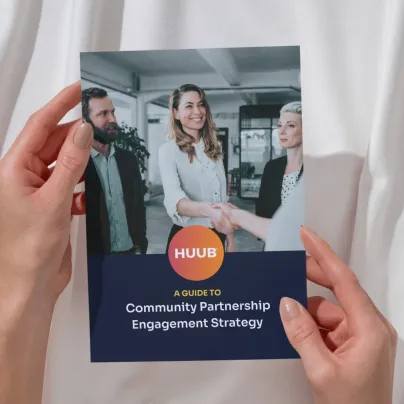
That’s the foundation of HUUB’s Guide to Community Partnership Engagement Strategy, and it’s the same roadmap explored in our recent webinar, “Can’t We Be Friends? 5 Steps to Stronger Partnerships Across Your Ecosystem.” Whether you joined us live or you’re just catching up, here’s a timeless roadmap for building partnerships that actually work — and last.
Meet Our Experts
Our webinar brought together an incredible panel who are proving that collaboration really works. Here’s a quick look at our experts.
Kristen Leutz – CEO, Petra Impact Partners
Kristin is an ecosystem builder and social impact strategist dedicated to advancing equitable prosperity through entrepreneurship. With over 25 years of experience across philanthropy, higher education, and community development, she’s led national organizations like Startup Champions Network and Valley Venture Mentors. At Petra Impact Partners, she helps changemakers design inclusive ecosystems that build trust and lasting impact.
Melissa Cook – Director of Marketing, Pearland Economic Development Corporation
Melissa blends creativity, data, and storytelling to fuel community and business growth. As Pearland EDC’s marketing lead, she connects partners and tells the story of Pearland as a place where innovation and opportunity thrive. Her collaborative energy has helped transform how local leaders engage businesses and residents — proving that marketing is ecosystem-building, too.
Jim Johnson – President & CEO, Pearland Chamber of Commerce & Pearland Innovation Hub
Jim is a proud Texan and seasoned nonprofit leader with over a decade of experience empowering local businesses. Through his dual role with the Chamber and Innovation Hub, he champions collaboration between public, private, and nonprofit sectors — fostering programs that strengthen entrepreneurship, workforce development, and regional prosperity.
Dominique Richardson - Operations Specialist, HUUB
Dominique is the powerhouse behind HUUB’s day-to-day operations, helping small business owners access the tools and resources they need to thrive. From managing partnerships to supporting communities on HUUB’s platform, she ensures collaboration stays smooth, impactful, and measurable. Her mission: make every entrepreneur feel seen, supported, and set up for success.
Session Notes
Identify the Right Partners
Partnerships start with curiosity. Instead of looking only at the usual suspects — local government, chambers, or development councils — look beyond your traditional circle.
- Be visible in your community. Attend events, meet-ups, and roundtables where emerging players gather.
- Think cross-sector. Nonprofits, schools, private companies, and even co-working spaces can become valuable allies.
- Use the HUUB Partnership Planning Worksheet (from our Guide to Community Partnership Engagement Strategy) to map your ecosystem and identify partners who bring fresh energy or unique resources to the table.
► HUUB's Pro tip
Sometimes your best partner isn’t the biggest name in town — it’s the group already deeply rooted in the community you’re trying to reach.
Align on Shared Goals
Collaboration fails when everyone’s running in different directions. True alignment happens when organizations define shared success early — and understand that each partner’s journey might look a little different.
- Start with a community-wide vision. Anchor goals to broader plans like your city’s strategic development initiative or prosperity plan.
- Be specific. Set clear outcomes, like “launch two co-hosted business mentorship programs this year” or “increase local funding by 20%.”
- Stay flexible. Not every organization will move at the same pace — think relay race, not sack race.
When everyone rallies around a single community outcome, even small wins start to stack up.
Build Trust and Keep It Flowing
Here’s the truth: ecosystems move at the speed of trust. Without it, even the best plans stall.
- Be transparent. Clearly define roles, metrics, and timelines to set guardrails that actually empower creativity.
- Communicate often. Use shared tools to keep everyone in the loop — this is where HUUB’s collaboration features shine, offering one central space for reporting, updates, and resource sharing.
- Start small if needed. When trust is low, try guardrailed co-opetition: shorter commitments, smaller scopes, and clarity-first agreements that build confidence over time.
Trust doesn’t appear overnight — it’s earned through consistency, accountability, and clear communication. If you need help assessing the level of trust and type of collaboration you can start running within your community, check out our Trust Bridging Assessment.
Maximize Shared Resources
Pooling resources is where collaboration starts to feel real. It’s not just about saving money — it’s about multiplying impact.
- Leverage shared expertise. Invite partners to share skills or services (like marketing workshops, legal clinics, or mentorship).
- Dedicate real capacity. Have staff members or “navigators” who are 100% focused on partnership execution.
- Centralize your tools. With HUUB, communities like Pearland saw a 400% increase in advising hours once they started tracking resources, workshops, and mentoring in one place.
When resources flow freely, so does opportunity — and that’s when ecosystems become unstoppable.
Measure What Matters
You can’t improve what you don’t measure. Tracking progress not only validates your work — it keeps everyone accountable and motivated.
- Focus on impact metrics. Businesses helped, funding leveraged, mentorship hours, new programs launched — these are what stakeholders care about.
- Balance short-term and long-term success. Pair quick wins (like event turnout) with long-term indicators (like community perception or retention).
- Use data for storytelling. Numbers tell the what, but stories tell the why. HUUB’s reporting tools and feedback surveys make it easy to pair both, turning your impact data into community stories that inspire.
The most successful partnerships make data a shared language — one that builds trust, just as much as it measures it.
Tools to Get You Started
If you’re ready to start building or refreshing your partnership strategy, these HUUB resources make it practical and doable:
- Guide to Community Partnership Engagement Strategy: A step-by-step blueprint for creating meaningful collaborations.
- Trust Bridging Assessment: Diagnose your current environment and choose the right collaboration approach.
Final Thought: The Dance of Collaboration
Partnerships are like a dance — collaboration is the music, trust is the rhythm, and shared goals keep everyone in sync. When the rhythm is right and the tools are strong, even complex steps become effortless.Because in the end, ecosystem growth isn’t about one organization shining alone — it’s about moving together toward something bigger, brighter, and built to last.